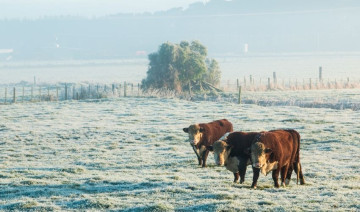
Cool mornings, changing leaves, and shorter days are all signs that colder weather is on the way. While the first frost may not mean winter has officially arrived, it’s an important reminder for livestock owners to start preparing animals, barns, pastures, and supplies for the months ahead.
Cattle, horses, sheep, goats, and other livestock are naturally equipped to handle changing temperatures, but good management can make the transition easier. October is an ideal time to tackle a few important tasks before freezing temperatures become routine.
Use this fall livestock care checklist to get started.
Animals may require more energy to maintain their body temperature as temperatures fall, making autumn an important time to assess body condition.
Take a close look at each animal rather than assuming the entire herd or flock has similar needs. Older animals, young livestock, pregnant or nursing animals, and those that are underweight may require additional attention heading into winter.
If you notice an animal losing condition, don't wait until the coldest part of winter to address it. Talk with your veterinarian or animal nutrition professional about whether changes to forage, feed, or supplementation may be appropriate.
Pasture quality and availability often decline as the growing season comes to an end. Before that happens, make sure you have a plan for transitioning animals to hay or other stored forage.
Take inventory of your hay, grain, minerals, supplements, and other feed supplies. Consider how many animals you'll be feeding and how long your stored forage will need to last.
This is also a good opportunity to inspect hay and feed storage areas. Feed should be protected from moisture, pests, and other sources of contamination. Regularly check stored hay and grain for signs of mold, spoilage, or pest activity.
When making significant changes to an animal's diet, introduce them gradually whenever appropriate. Sudden dietary changes can cause digestive problems, particularly in animals such as horses and ruminants.
Hydration may get more attention during hot summer weather, but access to clean, fresh water remains essential when temperatures drop.
Inspect troughs, buckets, automatic waterers, hoses, and plumbing before freezing weather arrives. Repair leaks or damaged equipment now and determine how you'll prevent water from freezing later in the season.
Continue monitoring water sources throughout the fall. Cooler weather doesn't eliminate an animal's need for adequate hydration, and reduced water consumption can contribute to health concerns.
Livestock don't necessarily need a warm, enclosed barn every time temperatures fall. Their specific shelter needs will vary by species, age, health, weather conditions, and other factors. However, animals should have appropriate protection from cold rain, wind, snow, and other harsh conditions.
Walk through barns, sheds, run-ins, and other shelters before the first hard freeze. Check for damaged roofing, loose boards, sharp edges, leaks, and other hazards.
If your livestock spend much of their time outdoors, evaluate natural or constructed windbreaks as well. Make repairs while the weather is still cooperative rather than waiting for a cold, windy day.
Clean, dry bedding can help animals stay comfortable as fall weather becomes colder and wetter.
Make sure you have an adequate supply of the appropriate bedding for your animals and housing setup. Regularly remove wet or heavily soiled material and replace it with fresh bedding as needed.
Pay particular attention to areas around entrances, feeders, and waterers where mud and moisture can quickly become a problem.
Fall is also a good time to walk your pastures and inspect fences before winter weather makes repairs more difficult.
Look for loose wires, broken boards, damaged posts, failing gates, and other potential escape routes or hazards. If you use electric fencing, check that the entire system is operating properly.
At the same time, evaluate pasture conditions. Continuing to graze an already stressed pasture can make it more difficult for plants to recover. Depending on your grazing system and local growing conditions, you may need to rotate animals, provide supplemental forage, or move livestock to a designated winter area.
Fall rain combined with heavy livestock traffic can quickly turn high-use areas into mud.
Pay close attention to gates, feeding areas, water sources, barn entrances, and other locations where animals frequently gather. Improving drainage, moving feeders when practical, and using appropriate footing materials can help reduce excessively muddy conditions.
Managing mud isn't just about keeping the farm looking tidy. Excessive mud can contribute to hoof problems, make chores more difficult, damage pastures, and create uncomfortable conditions for animals.
Before winter arrives, take some time to evaluate your animals' feet and hoof-care schedules. Wet fall conditions followed by frozen, uneven ground can make existing hoof problems more troublesome.
Routine hoof care varies by species and individual animal, so work with your veterinarian, farrier, or other qualified professional to determine an appropriate schedule.
While you're checking feet, keep an eye out for changes in movement or signs of discomfort that may need further attention.
The first truly cold night isn't the ideal time to discover you're missing an important piece of equipment.
Take inventory of the supplies you commonly rely on during fall and winter. Depending on your operation, your checklist might include bedding, buckets, heated waterers or de-icers, extension cords rated for their intended use, feed tubs, minerals, livestock-safe ice management supplies, flashlights, and basic emergency equipment.
It's also wise to have extra feed and essential supplies available in case snow, ice, or other severe weather makes travel difficult.
Preparing for colder weather isn't a one-time chore. Continue observing your livestock as temperatures fluctuate throughout the fall.
Watch for changes in appetite, water consumption, body condition, behavior, mobility, and overall appearance. Knowing what's normal for your animals can make it easier to recognize when something isn't right.
Young, senior, pregnant, underweight, or otherwise vulnerable animals may need additional monitoring as temperatures fall. When you have concerns about an animal's health or ability to tolerate cold weather, consult your veterinarian.
A little preparation during the mild days of fall can make a big difference once winter weather settles in. Checking feed supplies, water systems, shelters, fencing, bedding, and animal condition now can help you avoid last-minute problems when temperatures drop.
Use the weeks leading up to the first frost to walk your property, assess your livestock, and stock up on the supplies you'll need for the colder months ahead.
Need to get your barn, pasture, or livestock ready for the season? Stop in and stock up on feed, bedding, livestock supplies, and other fall farm essentials to help keep your animals cared for as colder weather arrives.