
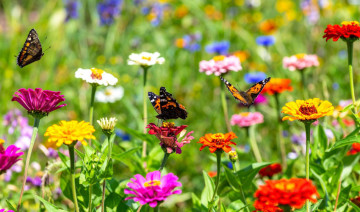
As gardens begin to wake up in spring, pollinators like bees, butterflies, hummingbirds, and other beneficial insects are busy getting back to work. These helpful visitors play a crucial role in the health of our ecosystems—and your garden. Many fruits, vegetables, and flowers rely on pollinators to produce blooms and harvests.
The good news is that encouraging pollinators doesn’t require a major garden overhaul. With a few thoughtful choices, you can create a welcoming space that supports these important creatures while helping your plants thrive.
One of the easiest ways to attract pollinators is by planting a diverse selection of flowers. Different pollinators are drawn to different colors, shapes, and bloom times, so variety is key.
Try to include flowers that bloom throughout the growing season so pollinators have a steady food source from early spring through fall.
Some pollinator-friendly plants gardeners often enjoy include:
Coneflowers
Black-eyed Susans
Bee balm
Lavender
Sunflowers
Zinnias
Salvia
Milkweed
Even a small patch of flowers can make a big difference for visiting pollinators.
Native plants are especially beneficial for pollinators because they evolved together in the same environment. This means native bees, butterflies, and birds are naturally adapted to use them for food and shelter.
Native plants are also typically easier to grow since they’re suited to local soil and climate conditions. Check with your local garden center or extension service to learn which native plants perform well in your area.
Pollinators need water just like other wildlife. A shallow water source can help attract bees, butterflies, and birds to your yard.
You can create a simple watering spot by:
Placing shallow dishes or birdbaths in the garden
Adding small stones so insects have a place to land
Keeping the water fresh and clean
These small additions can make your garden even more inviting.
Pollinators need safe places to rest, nest, and hide from predators. Leaving small areas of your garden a little more natural can provide valuable habitat.
Helpful shelter options include:
Flower beds with dense plantings
Small brush piles or garden debris areas
Bee houses or insect hotels
Shrubs and perennial plants
Avoid over-cleaning your garden early in the season, as many beneficial insects overwinter in plant stems and leaf litter.
While pesticides can sometimes be necessary, they can also harm beneficial insects. If you do need to manage pests, try using targeted or natural solutions when possible.
A few helpful practices include:
Avoid spraying plants while they are in bloom
Apply treatments in the evening when pollinators are less active
Focus on integrated pest management techniques
Supporting pollinators helps maintain a balanced garden ecosystem.
Beyond flowers, certain garden features can also attract and support pollinators. Consider incorporating:
Flowering herbs like basil, thyme, and oregano
Hanging baskets or container gardens with nectar-rich plants
Climbing vines or trellised flowers
Even small spaces, balconies, or patio containers can help provide food and habitat.
Creating a pollinator-friendly garden doesn’t have to be complicated. By planting diverse flowers, providing water and shelter, and reducing pesticide use, you can help support pollinators while enjoying a healthier, more productive garden.
As you plan your spring planting, consider adding a few pollinator favorites to your landscape. Your garden—and the environment—will benefit.
If you’re looking for seeds, plants, garden supplies, or expert advice, stop by your local lawn and garden store. We’re always happy to help you create a thriving garden this season.