
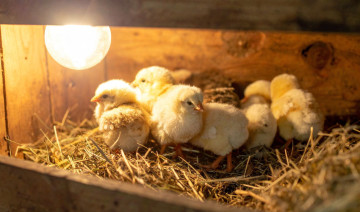
Spring is chick season, and bringing home new baby chicks is an exciting time for both new and experienced flock owners. The first few weeks are the most important for setting your chicks up for healthy growth and a strong start in life. With the right preparation, supplies, and care routine, your new flock can thrive during those critical early weeks.
Here’s a simple guide to help you care for your chicks during their first eight weeks.
Before bringing chicks home, you’ll need to set up a brooder — a warm, protected space where chicks can live until they are ready for the coop. A brooder can be a large plastic bin, stock tank, brooder box, or other enclosed area that keeps chicks safe and contained.
Your brooder should include:
Heat source: A heat lamp or brooder plate to keep chicks warm
Bedding: Pine shavings work well and help absorb moisture
Feeders and waterers: Shallow containers designed for chicks
Enough space: Avoid overcrowding as chicks grow quickly
Make sure the brooder is located in a draft-free area where temperatures can be controlled.
Baby chicks cannot regulate their body temperature during their first weeks of life. Providing consistent warmth is essential.
A general temperature guideline is:
Week 1: 95°F
Week 2: 90°F
Week 3: 85°F
Week 4: 80°F
Reduce heat by about 5 degrees each week until chicks are fully feathered.
Watch chick behavior to determine comfort. If chicks crowd together under the heat source, they may be cold. If they spread out far from the heat, they may be too warm.
Proper nutrition helps chicks grow strong and healthy. During the first several weeks, chicks should be fed a complete chick starter feed, which provides the protein, vitamins, and minerals needed for development.
Important feeding tips:
Choose a starter feed with around 18–20% protein
Offer feed free-choice so chicks can eat throughout the day
Use feeders that prevent chicks from scratching feed out
Avoid feeding table scraps or treats during the early weeks, as chicks need balanced nutrition to grow properly.
Fresh, clean water is just as important as feed. Chicks should always have access to water in a shallow container designed to prevent spills or drowning.
Helpful tips include:
Check water several times daily
Clean waterers regularly
Place waterers on slightly raised surfaces to keep bedding out
Some flock owners add electrolytes or vitamins to the water during the first few days to help chicks adjust to their new environment.
Maintaining a clean brooder helps prevent illness and keeps chicks comfortable.
Remove wet or dirty bedding regularly
Replace bedding as needed to keep the brooder dry
Wipe down feeders and waterers daily
Clean conditions reduce the risk of bacteria and parasites that can affect young chicks.
Healthy chicks are active, curious, and eager to eat and drink. As they grow, you’ll notice feathers beginning to replace their soft down.
Signs of healthy chicks include:
Bright eyes and alert behavior
Consistent eating and drinking
Steady growth and feather development
If chicks appear weak, lethargic, or stop eating, it may be time to consult a veterinarian or experienced poultry advisor.
By around 6–8 weeks of age, most chicks will be fully feathered and better able to handle cooler temperatures. At this point, they can begin transitioning to the coop if outdoor temperatures are appropriate.
Before moving chicks outside:
Ensure the coop is clean and secure
Provide predator protection
Introduce roosts and nesting areas as they grow
Gradually acclimating chicks to outdoor conditions helps reduce stress during the transition.
Raising baby chicks is a rewarding experience that brings fresh eggs, personality, and life to your backyard flock. With proper brooder setup, quality feed, clean water, and attentive care, your chicks will grow into healthy, productive birds.
Stop by your local feed and farm supply store for chick starter feed, brooders, bedding, feeders, and all the essentials you need to give your new flock the best start this spring.